
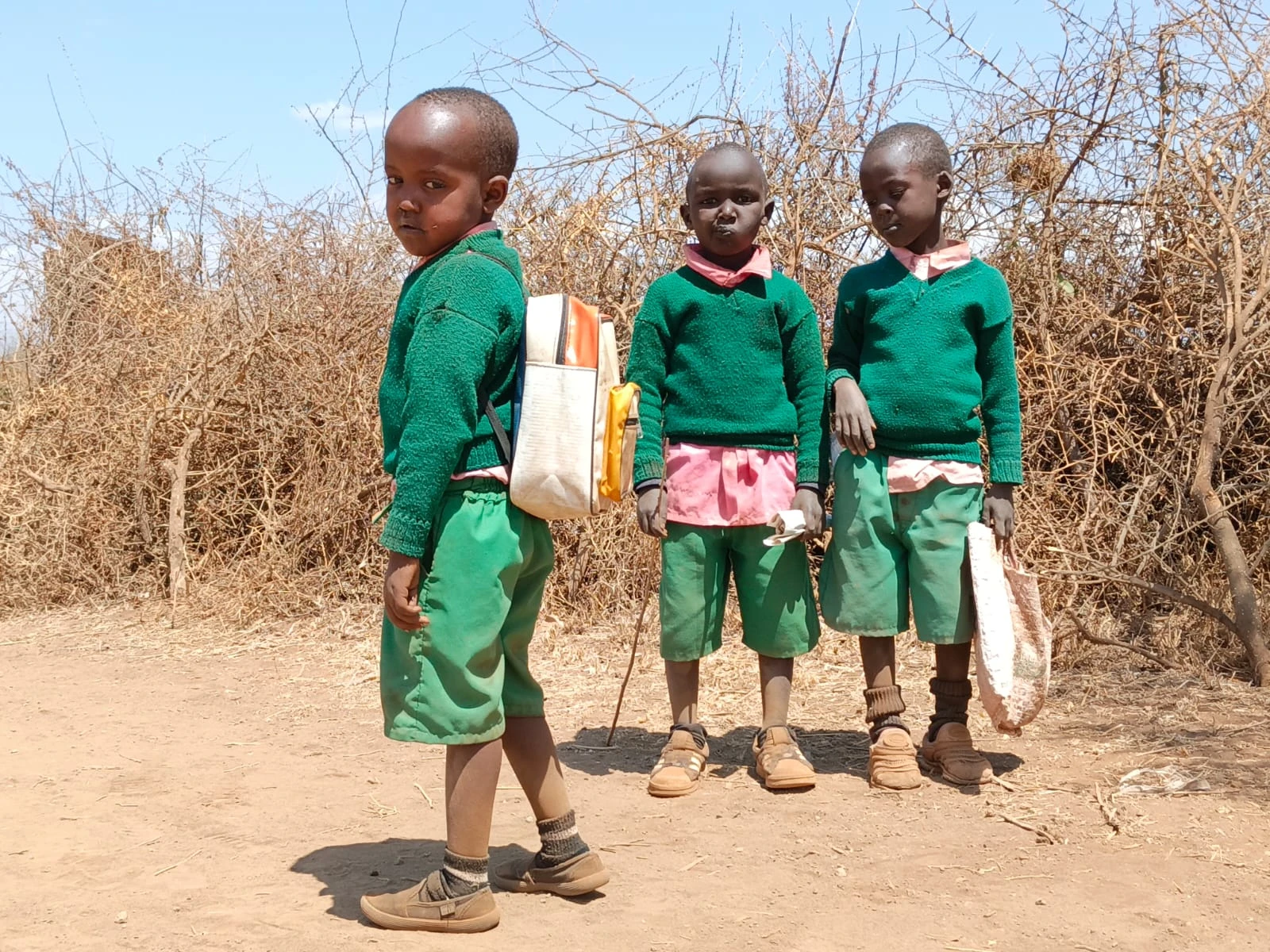
For many children, getting to school means walking a familiar route at dawn and returning home at dusk. In communities living alongside wildlife, however, that journey can sometimes pass through the same landscapes used by wild animals.
A path that seems ordinary may also be part of a route used by wildlife moving between feeding, watering and resting areas. Most days, people and wildlife may pass through the landscape without incident. But when their paths cross unexpectedly, a routine journey can turn tragic. For school going children, these encounters can present a serious risk.
This creates a challenge that is easy to overlook: how can children travel safely to and from school while people and wildlife continue to share the same landscape?
When the landscape is shared
Sharing a landscape does not automatically mean conflict. People and wildlife can often use the same environment without coming into direct contact. The difficulty arises when their needs bring them into the same place at the same time, particularly where there are few alternatives for either people or wildlife.
An elephant moving between feeding areas, a predator following its prey, or other wildlife searching for water may cross areas where people live and travel. These movements can change with the seasons, availability of food and water, and the time of day. As a result, places that are usually quiet may sometimes become areas where people and wildlife cross paths.
A route that feels familiar turns risky when wildlife begins using the same path or nearby area. For a child walking to or from school, an encounter with wildlife can carry serious consequences. In the worst cases, a wildlife encounter can result in injury or loss of life.
But the impact does not end with an encounter. When children and their families fear encountering wildlife along the way, travelling to school can become a source of anxiety. Over time, this fear places additional stress on families who already have to balance education, safety, and everyday responsibilities. Making them question whether making that journey is worth it at all. Some may decide that keeping a child at home is safer than allowing them to make a risky journey, particularly when there are no safer routes available. This can discourage regular school attendance and
At a wider level, repeated encounters and the losses or fear they cause can deepen tensions between communities and wildlife. When people feel that their safety and livelihoods are being threatened without practical solutions, conflict can arise, and wildlife can ultimately suffer as well.
The answer is not to keep wildlife away at all costs
When wildlife comes into areas where people live and travel, the instinct may be to think about how to keep animals away. But protecting people does not have to mean removing wildlife from the landscape.
Wild animals are moving through landscapes they depend on for food, water, shelter, and survival. The challenge is not to decide who belongs where, but to find ways for people and wildlife to share the landscape with fewer dangerous encounters.
That means looking for solutions that protect people while also allowing wildlife to move and use the areas they depend on.
Making school journeys safer
Reducing the risk begins with understanding where encounters are most likely to happen. Communities can identify routes and areas where wildlife regularly passes and consider how children can avoid these areas where possible.
Local knowledge can be particularly valuable. Families and community members often know the places where animals are seen, the seasons when wildlife movement changes, and the times when certain areas become more active.
Practical measures can include identifying safer routes, adjusting travel times where possible, sharing information about wildlife movements, and helping children understand how to respond when they encounter wildlife.
These measures work best when they are shaped by the people who know the landscape and experience these challenges every day.
A safer journey, a shared landscape
One practical way to reduce these risks is to provide children with a reliable way to travel to and from school. Where walking routes pass through wildlife corridors or areas where encounters are likely, transport can reduce children’s exposure to those risks.
This is the challenge Osotua is addressing through its Secure School Commute Initiative. The initiative seeks to provide dedicated school transport for children who currently face unsafe journeys between their communities and schools.
By providing an alternative to long walks through areas where wildlife moves, the initiative aims to protect children, support more consistent school attendance, and give families greater confidence in their children’s journeys.
For a child, the journey to school should be about getting to class, seeing friends, and returning home, not worrying about what might be around the next bend.
Creating safer school journeys is one small but important part of making coexistence possible. Successful coexistence is not only about protecting wildlife. It is also about making sure that people, especially children, can safely live their everyday lives alongside it.