
Grassland Restoration: Restoring the Land That Sustains Us
Across the landscapes of Amboseli, grasslands are more than open fields. They are a source of food for livestock, habitat for wildlife, and an essential part of the environment that supports pastoral communities.
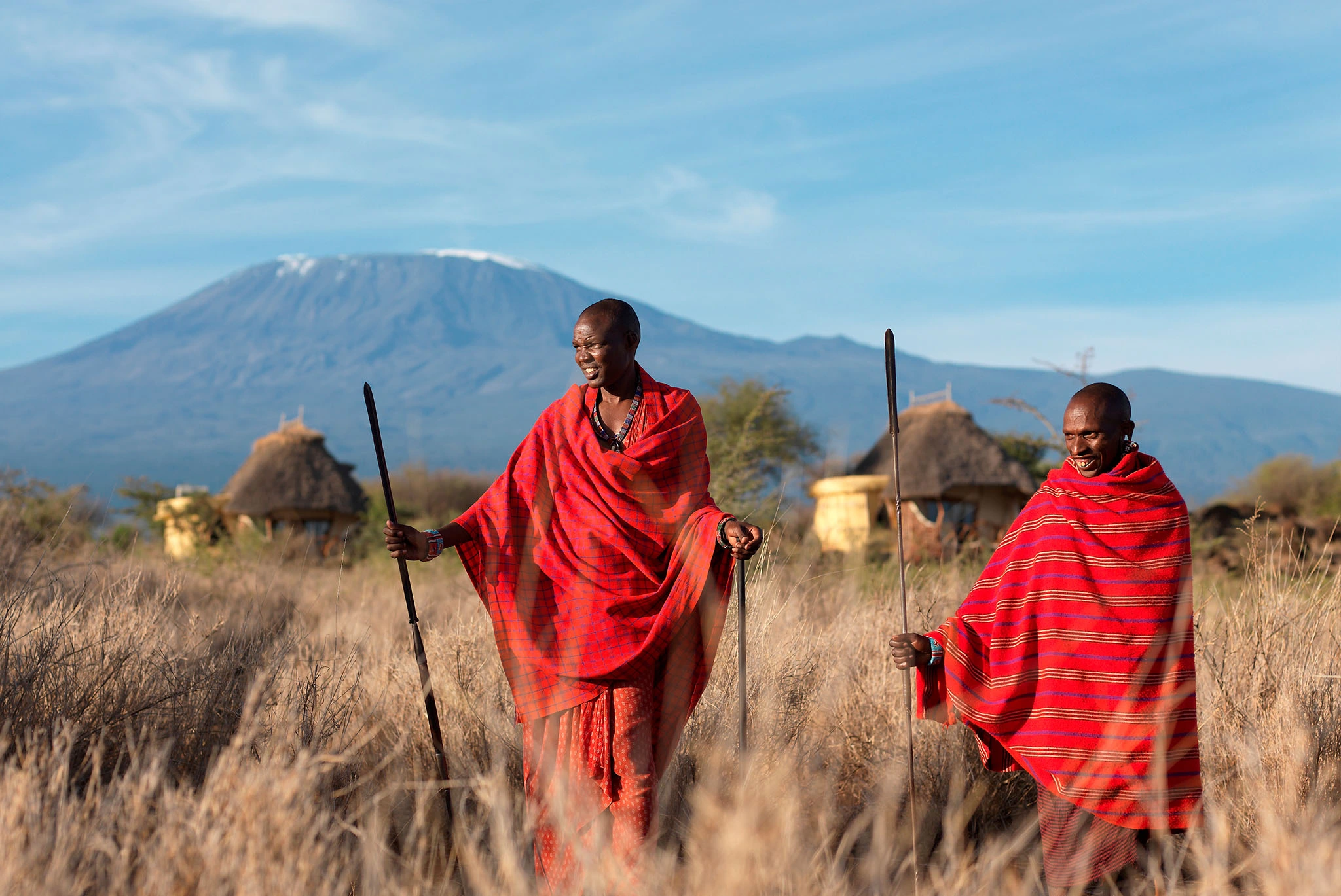
For generations, Maasai communities have depended on these landscapes for their livelihoods. Cattle, goats, and sheep move across the rangelands in search of pasture and water, while wildlife shares many of the same spaces.
But these grasslands face increasing pressure from changing weather patterns, prolonged dry periods, land-use changes, and other environmental challenges.
Restoring and protecting them is therefore essential—not only for nature, but for the communities whose lives depend on the land.
Why Grasslands Matter
Healthy grasslands provide pasture for livestock and habitat for wildlife. Their vegetation also helps protect soil, retain moisture, and support the natural cycles that keep rangeland ecosystems productive.
When grasslands become degraded, the effects can spread across the entire ecosystem. Reduced vegetation can leave soil exposed, decrease available pasture, and make communities and livestock more vulnerable during periods of drought.
Protecting these landscapes requires looking beyond individual challenges and considering the health of the entire rangeland ecosystem.
Communities as Stewards of the Land
Maasai pastoralists have a long history of living alongside the wildlife and natural ecosystems of this region. Traditional knowledge, seasonal movement, and careful use of grazing areas can play an important role in maintaining healthy rangelands.
Grassland restoration is strongest when local communities are involved in deciding what approaches work for their landscapes.
This can include supporting sustainable grazing practices, restoring degraded areas, protecting important water sources, encouraging the recovery of native vegetation, and increasing awareness of sustainable land management.
Restoring for People and Wildlife
The grasslands of Amboseli are shared by people and wildlife.
Elephants, zebras, wildebeest, giraffes, and many other species depend on these landscapes for food and movement. At the same time, pastoral families depend on the same rangelands to support their livestock.
Restoration therefore has the potential to benefit both.
When healthy vegetation returns, rangelands can provide better grazing opportunities, improve habitat for wildlife, and strengthen the resilience of communities facing environmental change.
Preparing for a Changing Climate
Periods of drought remind us how closely livelihoods are connected to the health of the land.
Restoration is not simply about bringing grass back after it has disappeared. It is about building landscapes that are better able to withstand dry seasons, recover after disturbance, and continue supporting life.
This requires long-term commitment and cooperation between communities, conservation organizations, local leaders, and other partners.
Protecting a Shared Landscape
With Mount Kilimanjaro standing in the distance, the Amboseli landscape is a powerful reminder of the connection between people, livestock, wildlife, and nature.
The future of these grasslands depends on how we care for them today.
At Osotua Community Based Organization, we believe that restoration must include the people who know and depend on the land. By working together to protect rangelands, restore degraded areas, and promote sustainable practices, we can help create healthier landscapes for both communities and wildlife.
Healthy grasslands mean healthy communities, thriving wildlife, and a more resilient future.