Animal Protection: Protecting Wildlife for Generations to Come
Wild animals are an essential part of Kenya’s natural heritage. From the great elephants and giraffes of Amboseli to the predators that help maintain the balance of the ecosystem, every species has a role to play.
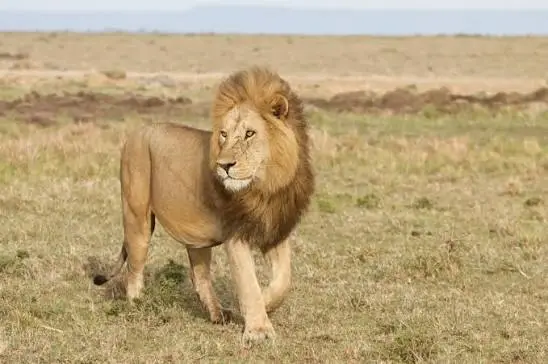
The lion, one of Africa’s most iconic animals, represents the importance of protecting the wildlife and landscapes that make Amboseli unique.
At Osotua Community Based Organization, we believe that animal protection is closely connected to community wellbeing, environmental conservation, and responsible stewardship of our shared natural resources.
Protecting Wildlife and Its Habitat
Protecting animals begins with protecting the places where they live.
Wildlife depends on healthy ecosystems for food, water, shelter, breeding, and movement. When habitats become degraded or fragmented, animals can struggle to find the resources they need to survive.
Conservation therefore requires more than protecting individual animals. It means working to maintain healthy landscapes where wildlife can continue to thrive.
Living Alongside Wildlife
In landscapes such as Amboseli, wildlife and people share the same environment.
Pastoral communities depend on the land for livestock, while wild animals depend on it for survival. This close relationship can sometimes create challenges, particularly when wildlife and livestock compete for water, food, or space.
Finding ways for people and animals to coexist is an important part of long-term wildlife protection.
When communities are involved in conservation and have access to knowledge, opportunities, and practical solutions, they can become powerful partners in protecting wildlife.
The Importance of Community Conservation
Wildlife conservation is strongest when local communities are part of the process.
Community members understand their environment through generations of experience. Their knowledge can contribute to identifying challenges, protecting important areas, reducing human-wildlife conflict, and promoting responsible use of natural resources.
Supporting communities and protecting wildlife should therefore not be viewed as separate goals. They can—and should—work together.
Protecting Predators
Predators such as lions play an important role in maintaining healthy ecosystems. They are part of the natural balance of the landscape and help regulate populations of other animals.
However, predators can also come into conflict with people, particularly where livestock and wildlife share the same territory.
Reducing this conflict requires cooperation, awareness, and approaches that consider the needs of both communities and wildlife.
A Shared Responsibility
Protecting animals is not the responsibility of conservation organizations alone.
Governments, communities, conservation partners, visitors, and individuals all have a role to play. Every effort to protect habitats, reduce conflict, respect wildlife, and support responsible conservation contributes to a healthier ecosystem.
The future of Kenya’s wildlife depends on the choices we make today.
At Osotua Community Based Organization, we are committed to supporting a future where wildlife is valued and protected, while the communities who share these landscapes are empowered to thrive alongside it.
When we protect wildlife, we protect the ecosystems and heritage that sustain us all.